Breathe Easy Care for Solid Wood and Natural Upholstery

Welcome to a kinder housekeeping routine where beautiful timber grains and breathable fibers are cleaned without fumes or residues. Today we focus on non-toxic cleaning and maintenance for solid wood and natural upholstery, blending research, maker wisdom, and gentle habits that safeguard finishes, extend lifespan, and respect indoor air. Expect actionable steps, ingredient clarity, and comforting rituals you can repeat season after season, even in busy homes with kids, pets, and treasured vintage pieces. Your living spaces can feel calmer, smell cleaner, and look renewed—naturally.

Know Your Materials, Protect Their Strengths

Understanding how wood cells, plant fibers, and leather behave turns cleaning into care rather than damage control. Solid boards move with humidity, tannins can react with liquids, and finishes breathe or seal differently. Linen and cotton wick quickly; wool felts when agitated; leather darkens if saturated. By recognizing porosity, pH sensitivity, sunlight response, and the difference between oils, waxes, lacquers, and polyurethane, you can match gentle methods to real-world conditions and prevent avoidable wear.

Solid wood basics that guide every wipe

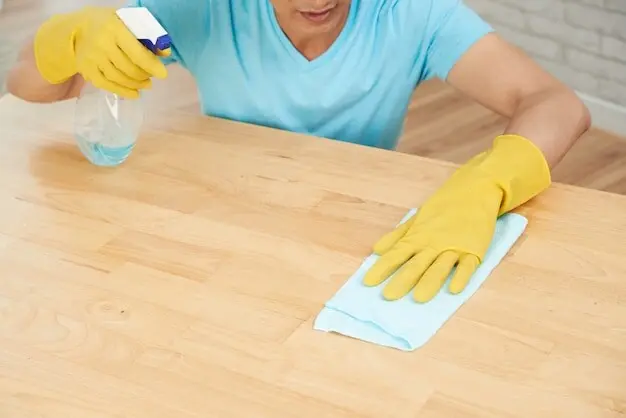
Follow the grain, avoid standing water, and maintain indoor humidity around 40–50% to minimize seasonal movement. Dust with a dry microfiber first, then apply a lightly damp cloth if needed. Skip silicone sprays that smear, and always test inconspicuous areas before scaling up.

Natural upholstery fibers decoded

Linen and cotton love cool water and quick blotting, but can shrink if soaked. Wool demands minimal agitation, lukewarm temperatures, and patience to prevent felting. Hemp behaves like sturdy linen. Leather dislikes alkalinity and flooding; gentle, slightly damp passes protect color and hand.

Build a Non-Toxic Cleaning Kit That Works

Start with water, then soap. Most dust lifts with distilled water alone; add a few drops of unscented castile only when soil persists. Keep peroxide at 3% and spot-test. Reserve isopropyl alcohol for stubborn inks, use sparingly, and ventilate.
Choose tightly woven microfiber, soft horsehair brushes for crevices, and cotton towels that release lint only once washed. Fit your vacuum with an upholstery tool and gentle brush ring. A garment steamer provides sanitizing passes without chemicals when patience leads.
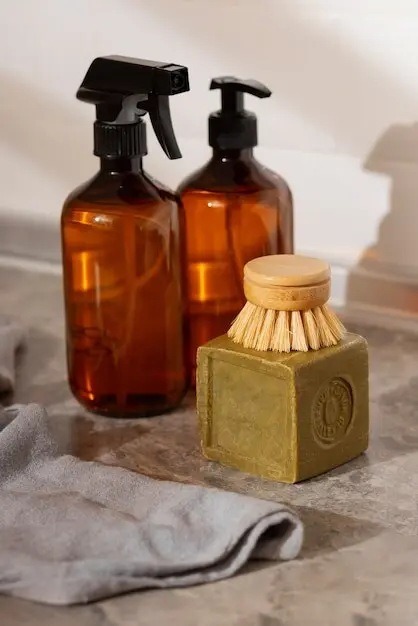
Record dilution ratios, mixing dates, and fiber compatibilities right on the bottle. Use child-safe triggers, amber glass for light-sensitive solutions, and a small caddy to prevent over-mixing. Replace cloths often, launder fragrance-free, and keep everything reachable for daily rhythms.

A five-minute wood refresh you’ll actually do
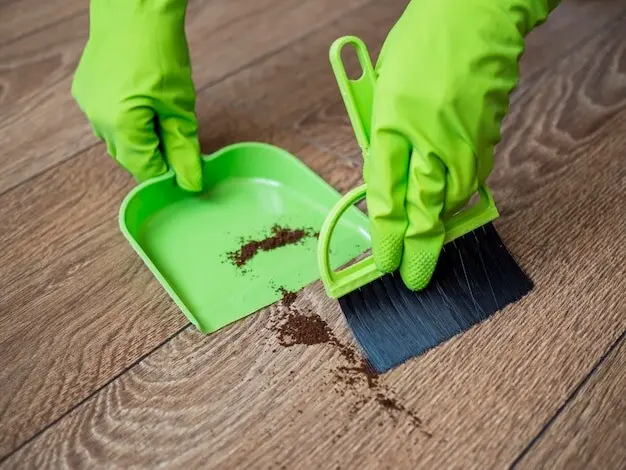
Begin with open windows and a slow breath. Dust along the grain, paying attention to edges where crumbs live. Lift objects, wipe footprints, set coasters straight, and buff tiny dings with a dry cloth. Glance at your hygrometer.

An upholstery tidy circuit that feels effortless
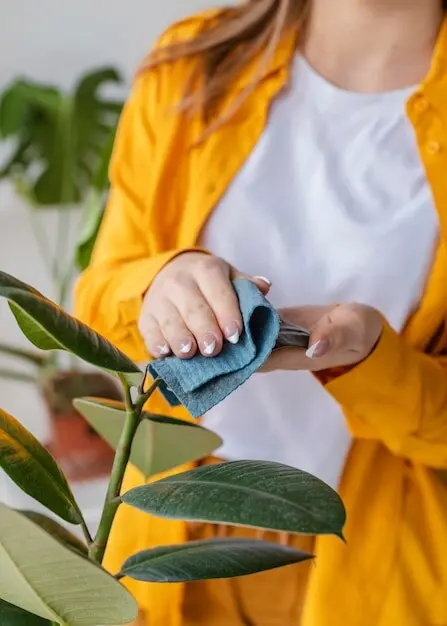
Vacuum seams and under-cushion decks where grit abrades fibers. Use a damp rubber glove for pet hair. Rotate and flip cushions to spread wear. Air out removable covers, then refit while warm from light sun to relax wrinkles naturally.

Sunlight, shoes, and breezes working together
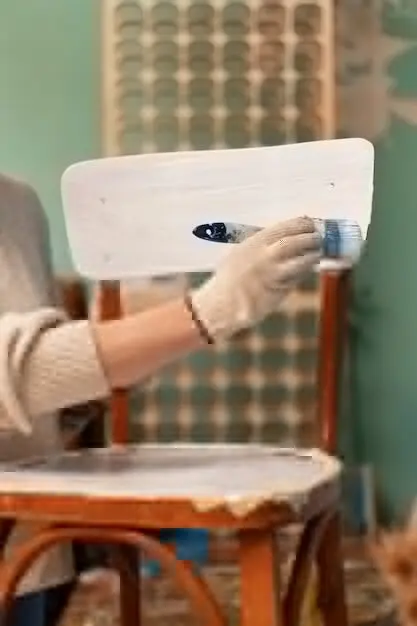
Cross-ventilate to move odors outside while avoiding harsh midday sun on wood and dyes. Park shoes at the door with generous mats both outside and inside. Encourage slippers. Gentle breezes reduce moisture and keep everything fresher between deeper sessions.

Stain Triage Without Toxins

Order matters. Blot first, then rinse, then lift with the mildest effective solution. Cold water precedes soap; soap precedes solvents. Always test hidden areas, use white cloths, and work outward from edges. Avoid vinegar on metal components and stone. Patience, short sessions, and drying time outperform aggressive scrubbing almost every time, preserving texture, color, and your own energy.

Deep Care: Conditioning, Deodorizing, and Steam

Healthy Air and Safer Homes

Products touch lungs as much as surfaces. Favor low-VOC recipes, rinse residues, and open windows. Keep humidity near 40–50% to discourage mold and cracking. Upgrade HVAC filters, vacuum with HEPA, and launder fragrance-free. Houseplants delight but hardly purify; real airflow and filtration do. Fragrance sensitivities are real—create comfort for guests by keeping scents gentle, brief, and optional.

Fixes, Stories, and Long‑Term Confidence

Care is a relationship. I’ve watched an oak table with decades of meals regain quiet depth after gentle attention, and a linen sofa earn a second chance through patience and airflow. These moments build confidence, reduce waste, and invite conversation. Share your questions, subscribe for seasonal checklists, and tell us what worked; your experiences help other households breathe easier.

A farmhouse table’s second life, remembered

Inherited with cloudy rings and corner scuffs, the table looked tired but sturdy. Over a week, light heat released the moisture, wax restored glow, and daily dusting kept crumbs from grinding. We served soup that Sunday, grateful for its forgiving heart.

The linen sofa we almost gave up on

A splashed latte and a muddy paw felt like defeat. Cold water lifts, enzyme whispers, and patient sun transformed it. We discovered a loose thread, stitched it, then rotated cushions. Now it invites reading, dogs included, without a perfumed cover-up.

Ramolufupixahuhime
Privacy Overview

This website uses cookies so that we can provide you with the best user experience possible. Cookie information is stored in your browser and performs functions such as recognising you when you return to our website and helping our team to understand which sections of the website you find most interesting and useful.