Words That Live With the Furniture
Welcome. Today we explore Writing the Room: Eco Interior Copywriting & Furniture Care, weaving language that breathes like wood and warms like sunlight on linen. Expect practical frameworks, soulful anecdotes, and gentle science that help your products speak honestly, reduce waste through clear guidance, and invite readers to care for pieces so they last longer, look better, and carry meaningful stories. Join the conversation, ask questions, and share your favorite care rituals below.
Sensing Place: Crafting Language From Light, Grain, and Air
Before sentences come sketches of atmosphere. Watch how morning light slides across ash, how wool compresses under a palm, how airflow softens echo. These details become verbs, rhythms, and images that honor materials without drama. When we write from observation, we translate care, calm, and climate responsibility into words readers can actually feel, remember, and act upon. Your notes become the bridge between a maker’s bench and someone’s everyday home.
Field Notes at Sunrise
Arrive early, open the window, and listen to the room breathe. Track the temperature shift on solid oak, the shadow line edging a dovetail, the weight of quiet on woven cane. Describe what moves, not just what exists. Later, those notes become gentle, precise phrases that locate the reader inside the moment. They help newcomers picture comfort without excess, and help returning customers recognize the patience inside every curve.
Material Honesty, Reader Trust
Trust grows when names match reality. Say solid oak if it is solid; say oak veneer over FSC-certified birch ply if that is the build. Acknowledge water-based finishes, natural oil blends, or recycled-metal hardware with traceable origins. Celebrate durability without promising immortality. Explain trade-offs as choices, not magic. Readers respect candor, and caretakers use accurate language to protect surfaces, tighten fasteners correctly, and request repairs rather than replacements.
From Silence to Story
Good copy hears what furniture cannot say aloud: the soothing hush of felt-glide feet on tile, the soft give of responsibly sourced foam, the steadiness of mortise-and-tenon. Translate dimensions into experiences, then connect those experiences to low-impact habits. The story you shape invites stewardship, not just sales, turning every coffee-ring precaution and dusting routine into shared culture. In that exchange, language becomes maintenance, and maintenance becomes love.
Sustainable Claims Without Greenwash
Clarity outruns cleverness. Replace vague declarations with verifiable details, context, and boundaries. List certifications readers can check, describe finish chemistry in plain words, and define recycled or bio-based content by percentage. When uncertainty exists, write it clearly and promise updates. Add links to care instructions that reduce returns. Transparency disarms skepticism, strengthens brand voice, and protects the planet by preventing misuse, over-cleaning, and premature disposal fueled by confusion or hype.
Care That Extends Lifespans
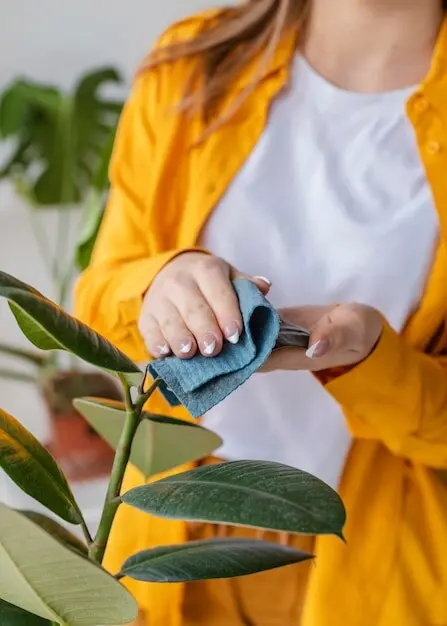
Longevity begins with ordinary rituals performed consistently. The language around those rituals should be tender, repeatable, and short enough to remember. Clear care guidance rewards attention with fewer stains, steadier joinery, and calmer living rooms. It also lowers returns, shipping emissions, and replacement urgency. Write to empower, not to scold, turning maintenance into a weekly invitation. Share your victories and missteps with our community to refine these living guides together.
Product Pages That Breathe
A restful page guides the eye like a calm hallway. Lead with a sensorial snapshot, then move to honest specifications, material sourcing, and care at-a-glance. Add context for impact claims, routes for repair, and delivery transparency. Use spacing as mercy. Write alt text that respects imagery and accessibility. When pages remove effort from understanding, readers invest energy in love, not decoding, and conversions feel like considered companionship, not pressure.
Open with felt experience: the chalk-smooth edge of ash, the faint citrus of fresh finish, the hush when a drawer closes on leather runners, the cool first touch of brass, the steady warmth after sunlight. Keep it precise, never purple. One paragraph, then breathe. Readers should feel invited into a room that exists, not a fantasy showroom. That grounded invitation builds confidence to continue into details without fatigue.
Design specifications like a conversation, not a puzzle. Group by decision-making needs: dimensions that fit doors, clearances for vents, weight limits, and assembly tools required. Use human words and consistent units. Add material origin and finish type beside each part. Link to compatible cleaners. A careful table reduces support emails, returns, and assembly stress, proving that good information is a service equal to craftsmanship itself.
Tone Map Workshop
Chart four axes—technical to lyrical, bold to gentle—and plot sample sentences for each quadrant. Invite your team to move lines for launches, care guides, and press notes, then document examples. Ritualize revisions rather than improvising under deadlines. A shared compass tames inconsistency, aligns sustainability claims with humility, and keeps the writing recognizably yours. Readers feel the cohesion and associate it with reliability and craft.
Microcopy as Stewardship
Small words steer big outcomes. A shipping note can encourage consolidated deliveries. A hangtag can teach first-oil timing in two lines. A drawer label can recommend coaster habits without scolding. Consider QR codes linking to updated care, because formulas evolve. Microcopy placed near action points prevents mistakes and celebrates good ones, turning packaging, hardware bags, and insert cards into a constellation of helpful nudges across the home.
Storytelling Across the Home
Stories let objects carry memory. Feature the maker sanding edges until fingertips read smoothness like Braille. Follow a table through messy dinners and quiet homework. Capture repairs as rites of passage, not shame. Invite readers to contribute photos of patina earned with laughter. Editorials like these help pieces migrate from inventory to inheritance, encouraging care habits that reduce waste while deepening the intimacy between craft and everyday life.